
The majority of men over 50 who are managing their health seriously have a clear hierarchy of what they are paying attention to. Training. Nutrition. Sleep. Stress. Hormones. Blood markers. The list of variables they are tracking and investing in reflects decades of health and performance research filtered into a practical program.
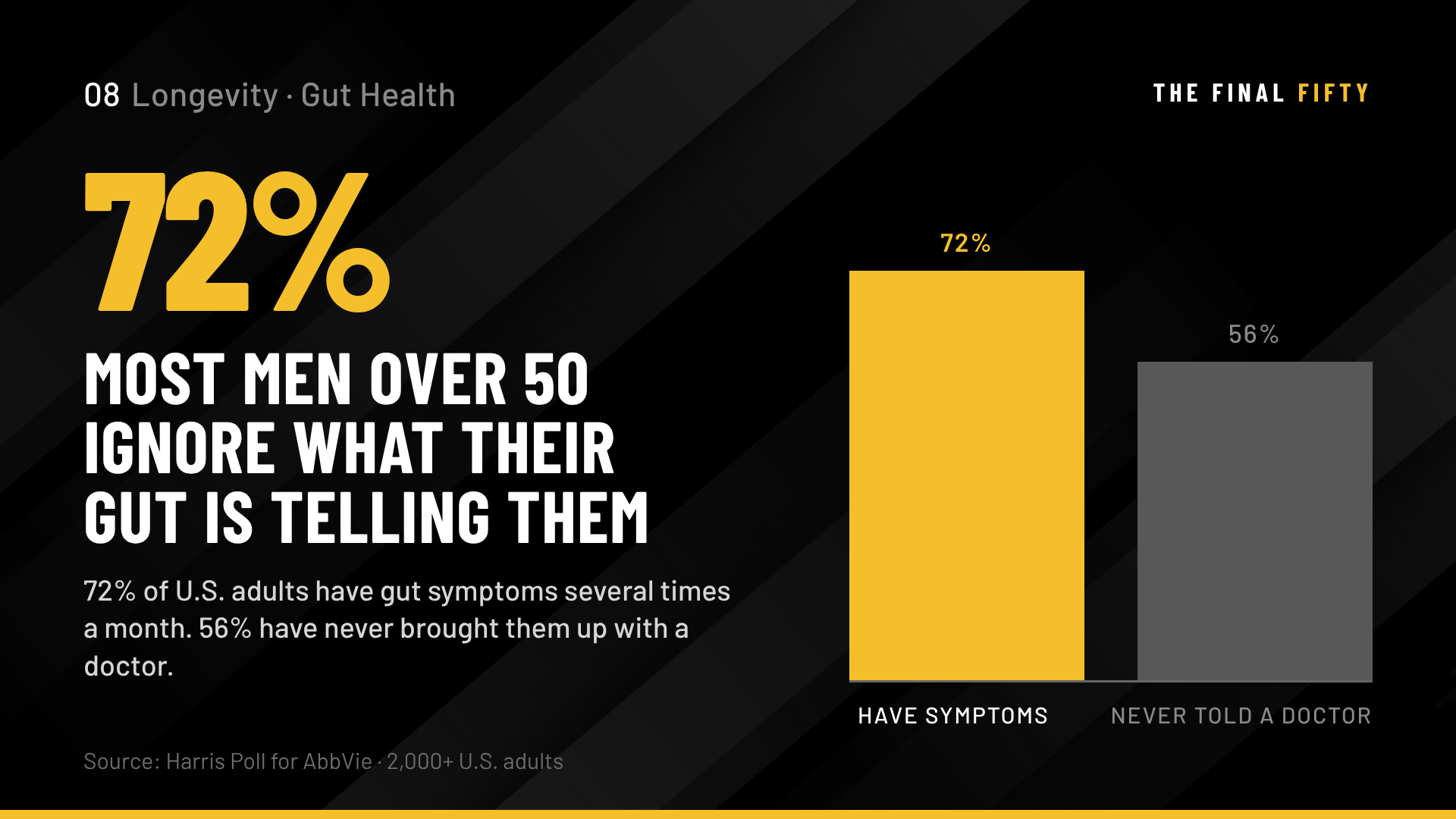
The gut is not typically on that list. Digestive health occupies the same category in most men’s minds as dental health: something to address when it produces symptoms obvious enough to demand attention, not something to invest in proactively as a performance variable in the same tier as the ones they are already managing.
The research of the past decade has established that this placement is wrong in ways that are significant enough to deserve the same level of deliberate attention that the other pillars of the Final 50 system receive. The gut microbiome, the ecosystem of trillions of microorganisms inhabiting the digestive tract, influences immune function, hormonal production, cardiovascular health, cognitive function, inflammatory status, and metabolic performance through mechanisms that are direct, well-documented, and significantly more consequential than the category of digestive health has traditionally implied.
The research synthesis is clear: the gut microbiome has emerged as a critical regulator of human aging and healthspan, with age-related dysbiosis increasingly implicated in a broad spectrum of aging-associated diseases. Dysbiosis in the elderly has been associated with various age-related conditions including inflammaging, cognitive decline, neurodegeneration, insulin resistance, type 2 diabetes mellitus, cardiovascular disease, and cancer. For a man over fifty who is investing in the prevention of exactly these conditions through every other pillar of this platform, leaving the gut variable unaddressed is the equivalent of addressing all the outflows of an important system while leaving the primary inlet unchecked.
What the Gut Microbiome Is and What It Does
The gut microbiome is the collective community of bacteria, viruses, fungi, and other microorganisms that inhabit the digestive tract, with the most complex and most consequential community residing in the large intestine. The total number of microbial cells in the human gut is comparable to the total number of human cells in the body, and the collective genetic content of the microbiome exceeds the human genome by approximately 150-fold. This is not a passive cargo that the body carries. It is an active biological system that performs functions without which the human body does not operate correctly.
The most immediately relevant functions for a man over fifty are the ones that most directly connect gut health to the performance variables this platform addresses. The immune system is the most significant: 70 to 80 percent of immune tissue lives in the gut, making the microbiome the primary interface between the environment and the immune system. A healthy, diverse microbiome educates the immune system, trains it to distinguish between beneficial organisms and threats, and produces the compounds that regulate immune activation and resolution. When the microbiome is compromised, immune regulation becomes imprecise, and the chronic low-grade inflammation described throughout this series as the root of most second-half health decline becomes harder to manage through any other intervention.
The gut-brain axis is the second major connection. The gut and the brain communicate bidirectionally through the vagus nerve, through the production of neurotransmitters and their precursors by gut bacteria, and through the systemic inflammatory signals that gut barrier integrity or its failure produces. Approximately 90 percent of the body’s serotonin is produced in the gut. The gut microbiome’s influence on neurotransmitter production makes it a significant determinant of mood, cognitive function, and the neurological environment that underlies the mental performance described throughout this series.
The inflammation connection runs through a mechanism that is now well-established in the research literature. When the gut barrier, the epithelial lining that separates the gut contents from the bloodstream and immune tissue, is compromised by dysbiosis and inflammation, bacterial components including lipopolysaccharide can enter systemic circulation. This produces the endotoxemia that drives systemic inflammation, increases inflammatory cytokines including IL-6 and TNF-alpha, and directly suppresses the hormonal pathways that testosterone production depends on. Transplanting old gut microbiota to young mice induced inflammation in the gut and brain coupled with cognitive decline, depression, and anxiety. The causal direction from gut health to brain function is established in mechanistic research, not simply correlated in observational studies.
How the Gut Changes After 50 and Why It Matters
The gut microbiome is not static across a man’s lifespan. It is influenced continuously by diet, physical activity, stress, sleep, medication use, and the aging process itself. And the changes that accumulate after fifty follow a pattern that the research has documented consistently enough to constitute a predictable trajectory that most men are on without knowing it.
Gut microbial diversity diminishes with advancing age, a multifaceted biological phenomenon. In general, gut microbial diversity decreases as individuals age, with shifts in the levels of specific bacterial phyla observed in older age groups but not in younger ones. These alterations in diversity are frequently accompanied by a rise in opportunistic pathogens and a reduction in beneficial bacteria. The age-related shifts represent a specific pattern: fewer bacteria that produce the short-chain fatty acids that protect gut barrier integrity and regulate inflammation, more bacteria that produce inflammatory compounds, and a general reduction in the microbial complexity that makes the ecosystem resilient to disruption.
The loss of beneficial bacteria that produce short-chain fatty acids, particularly butyrate, is among the most consequential of these age-related shifts. Butyrate is the primary fuel for the colonocytes that maintain the gut barrier, and its reduction with age correlates directly with increased gut permeability, the leaky gut that allows bacterial components to enter circulation and drive systemic inflammation. Loss of microbiota members who produce compounds like short-chain fatty acids that bolster the integrity of the gut barrier may help spur inflammaging. The mechanism is direct: reduced microbial diversity reduces butyrate production, reduced butyrate compromises gut barrier integrity, compromised gut barrier elevates systemic inflammation, and elevated systemic inflammation drives the cardiovascular disease, metabolic dysfunction, and cognitive decline that define unhealthy aging.
Men’s gut microbiome becomes less diverse as they age, and this process is influenced by factors that the lifestyle of most men over fifty is actively driving in the wrong direction. Low dietary diversity, primarily consuming a narrow range of foods with limited fermented foods and fiber variety, reduces the food sources available to maintain beneficial bacterial populations. Antibiotic use, which disrupts the microbiome profoundly and whose effects on diversity can persist for months to years, is more common in older populations due to more frequent infection and more frequent medical interventions. Chronic stress reduces beneficial bacterial populations and increases inflammatory bacterial growth. Insufficient sleep compromises microbiome composition through the same hormonal disruption it produces in every other system it affects. The man who is managing his stress, his sleep, and his diet poorly is driving his gut microbiome toward dysbiosis through multiple simultaneous mechanisms.
The Gut-Testosterone Connection
The relationship between gut health and testosterone is among the most significant and least discussed aspects of gut health for men over fifty. Imbalance or dysbiosis in the gut microbiome can cause different health issues in men, including reproductive and sexual health issues associated with testosterone levels.
The mechanism operates through multiple pathways. Gut bacteria play a role in the metabolism and recycling of sex hormones, affecting how efficiently the body can produce and use testosterone. The gut microbiome controls inflammation, and elevated systemic inflammation directly suppresses testosterone production through the hypothalamic-pituitary-gonadal axis. Endotoxin-initiated inflammation, produced when a compromised gut barrier allows bacterial components into circulation, reduces testosterone production in men. The microbiome influences the absorption of the micronutrients most directly involved in testosterone synthesis, including zinc and magnesium, both of which require optimal gut function for efficient absorption.
Germ-free mice, those without gut bacteria, have substantially lower serum testosterone levels than mice with normal gut microbiota. Probiotic microbes have been shown to sustain youthful serum testosterone levels and testicular size in aging mice. The gut-testicular axis is now an established research area, and its clinical implications for men over fifty are direct: optimizing gut health is not simply a digestive health investment. For men whose testosterone is in the lower-normal range, gut health intervention may represent one of the most underexplored natural approaches to hormonal support available.
A systematic review examining the potential relationship between the gut microbiome and testosterone levels in men concluded that the gut-testicular and gut-brain axes could have significant effects on testosterone production, metabolism, and action. For the man over fifty who is investing in natural testosterone support through the training protocols, sleep optimization, and nutritional standards described throughout this series, the gut represents a specific, mechanistically-grounded additional lever that most approaches to hormonal health for men never address.
The Gut-Brain Connection and Cognitive Health
The most alarming of the gut health consequences for men over fifty is the cognitive one. The gut-brain axis, operating through vagal nerve signaling, inflammatory cytokines, and neurotransmitter precursor production, creates a direct physiological pathway between gut microbiome health and brain function.
Altered microbial abundance, particularly in specific phyla, is associated with cognitive impairments including Alzheimer’s disease, Parkinson’s disease, and dementia compared to healthy controls. Aging-related abnormalities in gut microbiota are associated with cognitive decline, depression, and anxiety. The causal mechanism proposed by the research involves the leaky gut pathway: diminished mucin formation and increased gut permeability with a reduction in beneficial metabolites like butyrate leads to inflammation in both the gut and the brain, with cognitive decline as a downstream consequence.
Administering butyrate to mice with old gut microbiota alleviated inflammation, restored mucin expression and gut barriers, and corrected brain dysfunction. Systemic chronic inflammation begins several years before cognitive decline and dementia are diagnosed. The gut is now understood as a primary driver of the neuroinflammation that underlies neurodegenerative diseases, not simply an associated finding in populations with cognitive impairment.
For the man over fifty who is investing in his cognitive longevity through the sleep protection, the stress management, the Zone 2 cardiovascular training, and the anti-inflammatory dietary pattern described throughout this series, the gut adds a dimension that none of those interventions specifically addresses: the maintenance of the microbial ecosystem that keeps the gut-brain axis functioning in a direction that supports rather than undermines the cognitive health he is working to protect.
What to Do: The Evidence-Based Gut Health Investment
The interventions that most directly support gut microbiome health in men over fifty are the same interventions that support overall health through the other mechanisms this platform describes, which is not a coincidence. The gut microbiome is exquisitely sensitive to the same inputs that drive health more broadly, and the man who is already training consistently, eating a whole-food animal-based diet, managing his stress, and protecting his sleep is already doing significant work for his gut health whether or not he has been thinking about it in those terms.
The dietary dimension that requires specific attention beyond the general anti-inflammatory pattern is fiber variety and fermented foods. A diverse gut microbiome depends on a diverse food supply. The animal-based dietary foundation described throughout this series is excellent for protein quality and anti-inflammatory performance but does not on its own provide the prebiotic fiber diversity that feeds the beneficial bacterial populations that produce short-chain fatty acids. Adding targeted variety through vegetables of different colors and types, particularly those with high prebiotic fiber content including asparagus, garlic, onions, and root vegetables, feeds the microbial ecosystem that the animal-based protein foundation alone does not fully support.
Fermented foods provide live microorganisms that can contribute to microbiome diversity and gut barrier support. Evidence-based methods to restore a youthful microbial profile include consumption of fermented foods such as yogurt, kefir, sauerkraut, and kimchi. Full-fat Greek yogurt and cottage cheese, already recommended throughout this series for their protein and casein content, also deliver live cultures that contribute to microbiome health when consumed regularly. Adding kimchi or sauerkraut as regular accompaniments to meals costs nothing in caloric terms and delivers meaningful microbiome support that neither the protein nutrition nor the anti-inflammatory dietary pattern provides by itself.
Antibiotic stewardship is the negative input that most directly requires active management. When antibiotics are medically necessary, they are worth taking. When they are prescribed reflexively for conditions that do not require them or that would resolve without them, the cost to the gut microbiome, which can take months to years to restore to pre-antibiotic composition, is worth factoring into the treatment decision conversation with the prescribing physician.
The sleep, stress, and training investments described throughout this series all have direct gut health benefits that compound with the dietary investments. Exercise increases microbial diversity through mechanisms that include short-chain fatty acid production and immune modulation. Adequate sleep protects the gut barrier through the overnight hormonal recalibration that sleep disruption prevents. Stress management reduces the cortisol-driven suppression of beneficial bacterial populations that chronic stress produces. The gut investment is not separate from the rest of the second half system. It is the same investment seen from a different angle.
THE FINAL 50 FRAMEWORK
THE REFRAME
Gut health is not a digestive issue. It is the upstream driver of immune function, hormonal production, inflammatory status, cardiovascular health, and cognitive function through mechanisms that are direct and well-established in the research literature. The gut microbiome declines in diversity with age, and that decline is causally linked to the inflammatory, metabolic, and neurodegenerative conditions that define unhealthy aging in men over fifty. The man who is managing every other health variable while leaving the gut unaddressed has left the system that most of those variables depend on without specific investment.
THE STANDARD
The Final 50 man treats his gut health as a performance variable in the same tier as sleep, training, and nutrition. He includes regular fermented foods in his diet through yogurt, kefir, sauerkraut, or kimchi. He maintains prebiotic fiber diversity through regular consumption of varied vegetables beyond the protein-centered foundation. He manages his antibiotic use deliberately, taking them when medically necessary and discussing the evidence with prescribing physicians when they are proposed for conditions that do not clearly require them. He knows that his training, sleep, stress management, and anti-inflammatory diet are all actively supporting his microbiome alongside their other benefits.
THE PRACTICE
This week, add one fermented food to your daily eating pattern that is not currently there. Full-fat Greek yogurt is the most practical starting point if it is not already present: it delivers the protein discussed in the nutrition articles alongside the live cultures that contribute to microbiome health. If it is already present, add a serving of sauerkraut or kimchi as a regular accompaniment to one meal per day. This is the minimum incremental gut health investment. Hold it for 30 consecutive days and notice any changes in digestive comfort, energy levels, or the recovery pattern from training. The microbiome responds to consistent inputs rather than acute interventions.
THE AUDIT
How frequently do you consume fermented foods with live cultures? How diverse is your vegetable intake: are you eating from a narrow range of familiar options or from a varied rotation that includes different colors, fiber types, and prebiotic compounds? How many courses of antibiotics have you taken in the past three years, and were all of them clearly medically indicated? These three questions tell a man where his primary gut health leverage points are and which intervention would produce the greatest return given his current baseline.
THE PROMPT
The gut health conversation is one that most men in the second half have never had, because the digestive system has been culturally categorized as a source of embarrassing symptoms rather than as a performance system worth discussing seriously. The men in your brotherhood who are managing the most comprehensive second-half health program are doing gut work whether they know it or not, through their training, their diet, and their sleep. What would it look like to make the gut conversation explicit inside the brotherhood, to compare what each man is doing for microbiome diversity and gut barrier integrity, and to hold each other to the standard that the gut is not a passive system but one that responds to deliberate investment in proportion to the importance of what it controls?


